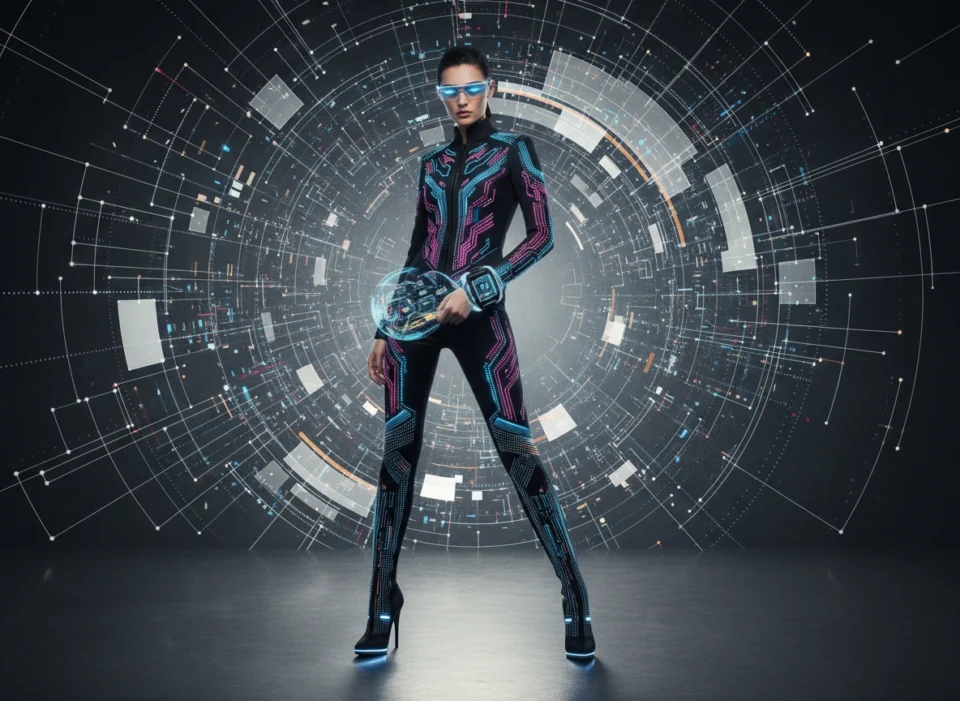
For decades, science fiction promised us a future where our clothing would do more than just cover our bodies. We imagined self-lacing shoes, jackets that dried themselves, and glasses that displayed data over our vision. That future isn’t just arriving; it is already here, woven into the fabric of our daily lives. The convergence of fashion and technology—often encapsulated by the term “wearable tech”—represents one of the most dynamic shifts in consumer lifestyle and industrial design in the last century.
This isn’t simply about strapping a computer to your wrist. It is a fundamental rethinking of how we interact with the digital world. Wearables are moving technology from our pockets onto our skin, blending aesthetics with profound utility. From monitoring vital signs to altering the color of a dress with a smartphone app, the line between what we wear and the devices we use is blurring.
In this article, we will explore the evolution of wearable technology, examine the current trends dominating the market, and look ahead to a future where our clothes might just be the smartest things we own.
From Calculator Watches to Smart Fabrics: A Brief History
The journey of wearable technology did not begin with the Apple Watch or the Fitbit. Its roots trace back surprisingly far. In the 1970s and 80s, the calculator watch by Casio was a status symbol for the tech-savvy, representing an early attempt to put computational power on the wrist. It was functional, clunky, and undeniably geeky.
However, the real acceleration occurred in the early 2000s and 2010s. Bluetooth technology became ubiquitous, processors shrank in size, and battery efficiency improved. The launch of the Fitbit in 2009 marked a pivotal moment. Suddenly, tracking steps and sleep wasn’t just for elite athletes; it was for everyone. The focus shifted from pure utility to “quantified self”—the desire to measure and optimize our biological performance.
Today, we have moved beyond plastic bands. Major fashion houses like Hermes and Louis Vuitton have partnered with tech giants, signaling that aesthetics are no longer secondary to function. The history of wearables is a story of technology learning to speak the language of style.
Current Trends Driving the Wearable Revolution
The market is currently exploding with innovation. While wrist-based devices still dominate, the ecosystem is diversifying rapidly.
The Smartwatch Standard
Smartwatches have matured from novelties into essential tools. They serve as a second screen for our phones, allowing us to triage notifications, pay for coffee, and control our smart homes. But the real trend here is health sovereignty. Devices now offer FDA-cleared ECG apps, blood oxygen monitoring, and even fall detection. They have transitioned from fitness accessories to medical guardians.
Smart Clothing (E-Textiles)
This is where the true intersection of fashion and tech occurs. We are seeing yoga pants that vibrate to correct your posture and jackets, like Google’s Project Jacquard in collaboration with Levi’s, that allow users to control music or answer calls by swiping on the sleeve. This “invisible interface” is the holy grail of wearable design—technology that disappears until you need it.
Hearables
Often overlooked as “fashion,” hearables (smart headphones and earbuds) are technically wearables. With features like real-time translation, voice assistants, and biometric monitoring through the ear canal, devices like the AirPods have normalized wearing computers in our ears for hours at a time.
Smart Jewelry
For those who find a digital screen on their wrist unappealing, smart jewelry offers a discreet alternative. Rings like the Oura Ring track sleep and readiness scores without disrupting a carefully curated outfit. These devices prioritize form, hiding their sensors inside ceramic or titanium bands that look indistinguishable from traditional jewelry.
Impact Across Industries
The ripple effects of wearable tech extend far beyond the closet. Several major industries are being reshaped by these innovations.
Transforming Healthcare
Healthcare is arguably the biggest beneficiary. Remote patient monitoring is becoming standard practice. A doctor can now track a patient’s heart rate variability or blood glucose levels in real-time without the patient ever stepping foot in a clinic. This shift from reactive to proactive medicine saves lives. For example, wearables can detect atrial fibrillation (an irregular heart rhythm) days before a patient might notice symptoms, preventing strokes.
Revolutionizing Fitness
The fitness industry has been completely democratized by wearables. You no longer need a personal trainer to analyze your running cadence or your heart rate zones. Wearable tech provides elite-level data to the weekend warrior. Furthermore, the gamification of fitness—closing rings, earning badges, competing with friends—has proven to be a powerful psychological motivator for millions.
Enhancing Entertainment and Gaming
Augmented Reality (AR) glasses are the next frontier for entertainment. While Google Glass stumbled, newer iterations are finding their footing. Imagine walking through a city and seeing historical facts overlaid on buildings, or playing a game where virtual characters interact with your physical environment. This immersive technology promises to turn the world into a canvas for digital content.
The Future: Biometrics and Beyond
What lies ahead? The future of wearables is “integration.” We are moving toward biometrics that don’t just sit on the skin but perhaps reside within it.
We will likely see the rise of energy-harvesting fabrics that charge your devices using your body heat or movement. We might see contact lenses that display navigation arrows directly onto your retina. The fashion industry is also exploring digital-only clothing—garments that exist only in virtual spaces or on social media, catering to the metaverse generation.
Furthermore, “emotional tech” is on the horizon. Sensors that detect stress levels through skin conductance could trigger your smart home to dim the lights and play calming music when you walk through the door. Your clothing could actively work to improve your mental state.
Challenges and Ethical Considerations
Despite the excitement, the road ahead is paved with significant hurdles. As we wrap our bodies in sensors, we must confront difficult questions.
Data Privacy and Security
When a device knows your location, your heart rate, your sleep patterns, and potentially your conversations, privacy becomes paramount. Who owns this biological data? Can insurance companies use your fitness tracker data to deny you coverage? Securing this intimate data against hackers is a massive challenge for manufacturers.
E-Waste and Sustainability
Fashion is already a major contributor to global waste. Adding batteries and circuit boards to clothing complicates recycling. “Fast fashion” is bad enough; “fast tech-fashion” could be an environmental disaster if we don’t design for longevity and recyclability. A smart jacket that becomes obsolete in two years creates a unique type of toxic waste.
The Digital Divide
High-end wearables are expensive. There is a risk of creating a biological caste system where the wealthy have access to life-saving preventative health data, while lower-income populations rely on reactive, traditional healthcare. Ensuring equitable access to these technologies is a societal imperative.
Conclusion
The intersection of fashion and technology is no longer a novelty; it is a burgeoning industry reshaping human capability. We have moved from the clunky calculator watches of the past to sophisticated health monitors that look like luxury jewelry.
As these technologies continue to mature, they offer incredible promise: better health outcomes, seamless digital interaction, and personalized experiences. However, we must navigate the ethical landscape with care, ensuring that as our clothes get smarter, our approach to privacy and sustainability does too.
The future of fashion is functional, connected, and intelligent. Whether through a ring that tracks your sleep or a jacket that answers your phone, wearable tech proves that the most powerful computer of the future will be the one you put on in the morning.
Please visit website for more info
