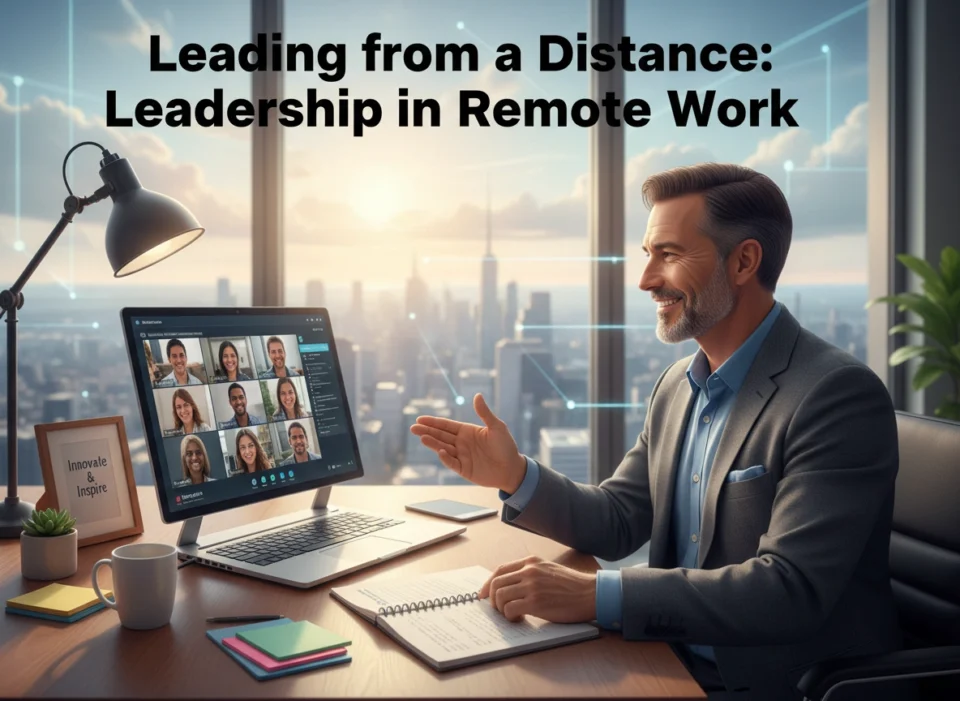
The shift to remote work has reshaped the modern workplace. While flexible schedules and reduced commute times offer clear benefits, this new landscape presents unique challenges for leadership. Leading a team you rarely see in person requires a different set of skills and strategies. Effective remote leadership is not just about managing tasks from afar; it’s about building a connected, motivated, and high-performing team, regardless of physical location.
This article explores the critical role of leadership in remote work environments. We will examine the unique challenges leaders face, identify the essential qualities for success, and provide actionable strategies to foster a thriving virtual team culture.
The Unique Challenges of Remote Leadership
Managing a team remotely is fundamentally different from traditional, in-office management. Leaders must navigate a new set of obstacles to ensure their teams remain engaged and productive. Without the casual interactions of an office, it’s easy for communication to break down and for employees to feel disconnected.
Overcoming Digital Distance
The absence of physical presence creates a “digital distance” that can hinder natural team cohesion. Leaders can no longer rely on non-verbal cues from a walk around the office to gauge employee morale or spot early signs of burnout. Misunderstandings can arise more easily through text-based communication, where tone and intent are often lost. This distance makes it harder to build the personal rapport and trust that underpin strong team dynamics.
Maintaining Culture and Connection
Company culture is often built through shared experiences, spontaneous conversations, and a collective sense of place. Replicating this in a virtual setting is a significant challenge. Remote leaders must be intentional about creating opportunities for social interaction and reinforcing company values. If they don’t, the team can become a collection of isolated individuals working on parallel tasks rather than a unified force striving for a common goal.
Ensuring Equity and Inclusion
In a hybrid or fully remote model, the risk of creating a two-tiered system is high. “Proximity bias” can lead managers to unconsciously favor employees they see in person, offering them more opportunities, feedback, and consideration for promotions. Remote leaders must actively work to ensure every team member has equal access to information, development opportunities, and recognition, regardless of where they work. This means creating fair and transparent processes for everything from project assignments to performance reviews.
Essential Qualities for Effective Remote Leaders
Thriving in a remote environment requires leaders to adapt and enhance their skill set. The most successful remote leaders are not just managers; they are communicators, trust-builders, and empathetic coaches who empower their teams to succeed.
Exceptional Communication Skills
Clear, consistent, and multi-channel communication is the cornerstone of remote leadership. Effective leaders are proactive in sharing information and setting expectations. They understand which channel is best for which message—using email for formal announcements, instant messaging for quick questions, and video calls for nuanced discussions. They are also excellent listeners, creating a safe space for team members to voice concerns and share ideas.
High Emotional Intelligence (EQ)
With fewer face-to-face interactions, the ability to perceive and respond to the emotional state of team members is crucial. Leaders with high EQ can pick up on subtle cues in written communication or during video calls. They demonstrate empathy, actively check in on their team’s well-being, and create a supportive environment where employees feel valued as people, not just as workers. This human-centric approach helps combat feelings of isolation and boosts morale.
A Focus on Trust and Autonomy
Micromanagement is toxic in any environment, but it is disastrous for a remote team. Effective remote leaders lead with trust. They set clear goals and expectations, provide the necessary resources, and then step back to let their team members own their work. This autonomy fosters a sense of responsibility and empowerment, leading to higher engagement and better results. Trust is a two-way street; by showing they trust their team, leaders earn that trust in return.
Strategies for Building a High-Performing Remote Team
Knowing the challenges and qualities is one thing; putting them into practice is another. Leaders can implement specific strategies to build a strong, collaborative, and productive remote team.
Establish Clear Communication Rhythms
Structure is essential for remote communication. Leaders should establish a predictable rhythm of interactions to keep everyone aligned and connected.
- Daily Check-ins: A brief morning message in a team chat channel can help everyone align on priorities for the day.
- Weekly Team Meetings: Use video calls for weekly sync-ups to discuss progress, tackle roadblocks, and foster a sense of shared purpose. Keep these meetings focused and engaging, with a clear agenda.
- Regular One-on-Ones: Schedule frequent, dedicated one-on-one meetings with each team member. This is a critical time to discuss career growth, provide personalized feedback, and check in on their well-being. Protect this time and never cancel it.
Foster Deliberate Collaboration and Socialization
In a remote setting, collaboration and social connection don’t happen by accident. Leaders must create them intentionally.
- Virtual Collaboration Tools: Invest in and master tools that facilitate real-time collaboration, such as shared digital whiteboards, project management software, and document collaboration platforms.
- Create Virtual “Water Coolers”: Set up non-work-related chat channels for sharing hobbies, photos, or interesting articles. Schedule optional virtual coffee breaks or team-building activities where work talk is off-limits. These informal interactions are vital for building personal relationships and a sense of community.
Focus on Outcomes, Not Hours
One of the most significant shifts for remote leaders is moving from managing activity to managing results. Instead of tracking hours logged, focus on the quality and timeliness of the work produced.
- Set SMART Goals: Ensure every project and task is tied to Specific, Measurable, Achievable, Relevant, and Time-bound goals. This clarity allows team members to manage their own time and work schedules effectively.
- Provide Asynchronous Flexibility: Acknowledge that team members may be in different time zones or have different personal schedules. Encourage asynchronous work where possible, allowing people to contribute when they are most productive.
Prioritize Employee Well-Being
Remote work can blur the lines between professional and personal life, leading to burnout. Great leaders actively promote a healthy work-life balance.
- Set Boundaries: Encourage team members to disconnect after work hours. Leaders should model this behavior by avoiding sending emails or messages late at night or on weekends.
- Promote Mental Health: Openly discuss the importance of mental health and provide resources to support it. Encourage taking breaks, using vacation time, and maintaining a healthy lifestyle. Simple check-ins like, “How are you doing?” can make a significant difference.
A New Era of Leadership
The transition to remote work is more than a logistical change; it is a cultural one that demands a new leadership philosophy. The command-and-control styles of the past are ineffective when teams are distributed. The future belongs to leaders who lead with empathy, trust, and a deep commitment to communication.
By understanding the unique challenges, cultivating essential modern leadership qualities, and implementing intentional strategies, you can build a remote team that is not only productive but also resilient, engaged, and connected. Leading from a distance is a skill, and for those who master it, the rewards are a more empowered team and a stronger, more adaptable organization.
Please click here for more info
