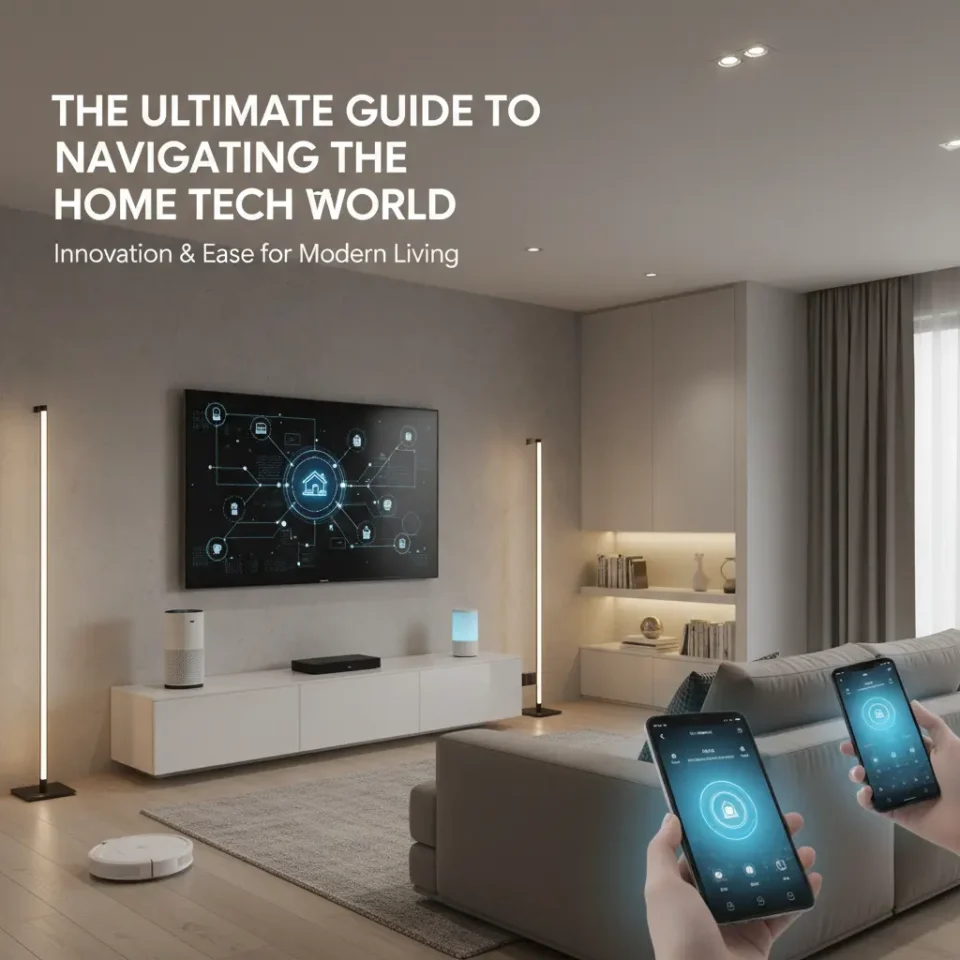
Smart devices are fundamentally changing how we interact with our living spaces. Once seen as a novelty, internet-connected gadgets now actively manage our daily routines. We can lock doors from miles away, schedule vacuums to clean while we sleep, and adjust the thermostat before stepping out of bed.
The home tech world offers endless possibilities for customization and convenience. Automating repetitive tasks frees up valuable time and mental energy. Furthermore, many smart devices help lower utility bills by optimizing energy consumption.
Building a connected ecosystem requires careful planning. Walking down the electronics aisle and buying random smart devices often leads to frustration. Gadgets need to communicate effectively to provide real value. This guide will walk you through the current landscape of smart home technology. You will learn about essential device categories, how to choose compatible gadgets, and the best practices for protecting your privacy.
Essential Smart Home Categories
Creating a functional smart home starts with understanding the basic building blocks. Most people begin their journey by focusing on three main categories.
Smart Security
Protecting your property is a top priority for most homeowners. Smart security devices offer real-time monitoring and instant alerts sent directly to your phone. Video doorbells allow you to see and speak to visitors from anywhere. Smart locks eliminate the need for physical keys, letting you grant temporary access to house sitters or delivery drivers. Additionally, modern security cameras use motion detection to record suspicious activity and deter potential intruders.
Intelligent Lighting
Smart lighting provides an easy entry point into home automation. LED smart bulbs connect to your Wi-Fi network and allow you to control brightness and color via an app. You can program lights to gradually brighten in the morning to simulate a sunrise. Motion sensors can automatically turn on hallway lights when you walk to the kitchen at night. These small adjustments create a more comfortable living environment while reducing electricity waste.
Climate Control
Heating and cooling account for a massive portion of household energy usage. Smart thermostats learn your schedule and temperature preferences over time. They can detect when the house is empty and automatically adjust the climate to save energy. When you head home from work, the system will kick in to ensure your living room is perfectly comfortable by the time you walk through the door.
AI Home Assistants and the Future of Automation
The true magic of the home tech world happens when devices work together seamlessly. Voice-activated assistants like Amazon Alexa, Google Assistant, and Apple Siri serve as the central command centers for your entire house. You can ask your assistant to read the news, set cooking timers, or play music across multiple rooms.
Artificial intelligence is taking these capabilities a step further. Modern systems analyze your habits to anticipate your needs. If you consistently turn off the lights and lower the thermostat at 10 PM, an AI-integrated system will eventually offer to automate that routine for you. The future of home automation leans heavily into this predictive behavior. Houses will soon adjust to our preferences without requiring a single voice command or app interaction.
A Beginner’s Guide to Choosing Compatible Devices
Selecting the right gadgets can feel overwhelming due to the sheer volume of options. To build a cohesive ecosystem, you need to ensure your devices speak the same digital language.
First, pick a central platform. Decide if you want to use Google Home, Apple HomeKit, or Amazon Alexa. Your choice will dictate which products you can buy, as some devices only work with specific ecosystems. Always check the packaging or product description for compatibility badges before making a purchase.
Next, consider how the devices connect. Many entry-level gadgets use standard Wi-Fi. Connecting too many devices directly to your router can slow down your internet speed. For larger setups, look for devices that use Zigbee or Z-Wave protocols. These gadgets connect to a central hub rather than your router, keeping your Wi-Fi network clear for streaming and browsing.
The recent introduction of the Matter protocol is also simplifying the buying process. Matter is a universal standard created by major tech companies. Devices carrying the Matter logo will work with any major smart home platform, making it much easier to mix and match brands.
Navigating Security and Privacy in a Connected Home
Connecting your home to the internet introduces new security vulnerabilities. Hackers can potentially gain access to unprotected cameras or smart locks. Protecting your network requires a proactive approach to digital hygiene.
Start by securing your home Wi-Fi network. Change the default username and password on your router to something complex. A strong password includes a mix of uppercase letters, lowercase letters, numbers, and symbols.
Enable two-factor authentication (2FA) on all your smart home accounts. 2FA requires you to enter a secondary code sent to your phone when logging in, adding an essential layer of security. Furthermore, keep your device firmware updated. Manufacturers regularly release software patches to fix newly discovered security flaws. Turning on automatic updates ensures your gadgets remain protected against the latest threats.
Balancing Convenience with Upcoming Trends
Embracing the home tech world does not mean you need to automate every single aspect of your life. The best smart homes balance advanced functionality with practical convenience. Start small by upgrading the devices you use most often, like your thermostat or living room lighting. Once you feel comfortable with the technology, you can slowly expand your setup.
Technology continues to evolve rapidly. Upcoming trends point toward highly personalized environments that adapt to individual family members based on wearable sensors and biometric data. By establishing a secure, compatible foundation today, your home will be ready to adopt the exciting innovations of tomorrow.
