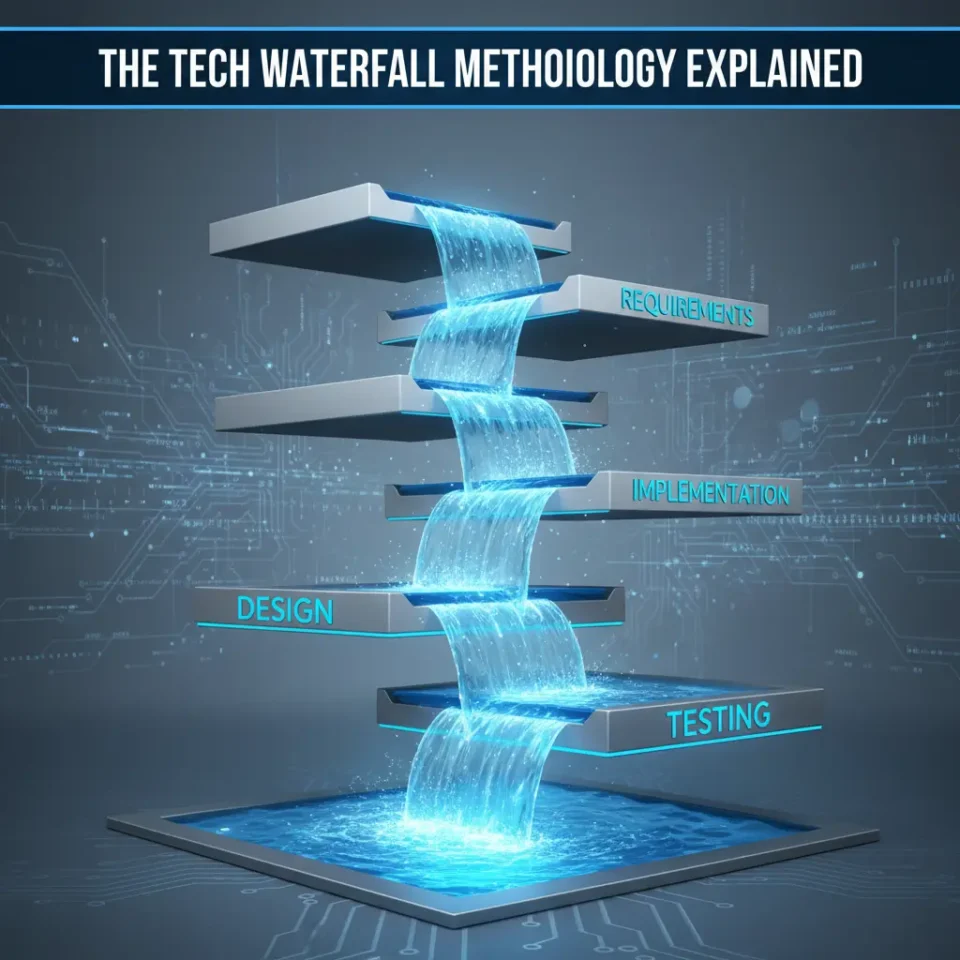
Software development requires a roadmap to guide teams from an initial concept to a fully functional product. For decades, the Waterfall methodology served as the standard framework for technology projects. It provides a linear, sequential approach to project management, where each phase must be completed before the next one begins. This structured method heavily influenced how early software was built and maintained.
The methodology traces its roots back to manufacturing and construction industries, where physical changes late in a project are prohibitively expensive. In 1970, Dr. Winston W. Royce published a paper detailing this linear model for software development. While Royce actually highlighted the flaws of a strictly linear approach, the tech industry quickly adopted the basic step-by-step framework. It became the default way to manage complex, large-scale software systems.
Understanding this traditional approach offers valuable insights for modern developers and project managers. Even with the rise of newer frameworks, Waterfall remains highly relevant in specific scenarios. This guide explores the core phases of the tech waterfall, its major benefits and drawbacks, and how to know when it is the right choice for your next project.
Core Phases of the Tech Waterfall
The Waterfall model flows strictly downward through several distinct phases. Teams complete one stage entirely before moving to the next, with little room to revisit previous steps.
Requirements
The project begins by gathering all possible requirements from stakeholders. Product managers and business analysts document exactly what the software needs to do. This phase produces a comprehensive requirements document that serves as the foundation for the entire project.
Analysis
During the analysis phase, the team evaluates the requirements to determine the project’s feasibility. They look at technical constraints, budget limitations, and necessary resources. The goal is to establish clear business logic and define the exact scope of the work.
Design
Software architects take the requirements and create the technical blueprints. They design the system architecture, database structures, and user interfaces. This phase results in detailed design documents that guide the programmers during the actual coding process.
Implementation
Developers finally start writing the code. Because the design phase provided detailed blueprints, programmers can focus entirely on translating those designs into a functional software product. The project is often broken down into smaller units or modules during this stage.
Testing
Once the coding is complete, the software enters the testing phase. Quality assurance teams rigorously test the application to find bugs and ensure it meets all original requirements. Any defects are sent back to the developers for fixing.
Maintenance
After the software is deployed to users, the project enters the maintenance phase. The team monitors the application for issues, releases patches for newly discovered bugs, and updates the software to work with new operating systems or hardware.
Key Advantages of the Waterfall Model
The strictly linear nature of the Waterfall methodology offers several distinct benefits for project managers and development teams.
Structured predictability is a major advantage. Because all requirements are gathered upfront, project managers can accurately estimate timelines and budgets before any coding begins. Stakeholders know exactly what they will get and when they will get it.
Clear documentation is another strength. Every phase requires detailed documentation before the team can move forward. If a key developer leaves the project, a new team member can read the documentation and quickly get up to speed.
Disciplined milestone management naturally fits into this framework. Each phase acts as a distinct milestone with a formal review process. This makes it easy to track progress and hold teams accountable for their specific deliverables.
Challenges in Modern Tech
Despite its historical dominance, the Waterfall methodology faces significant challenges in the modern software landscape.
Rigidity is the most common criticism. Once a phase is completed, stepping back to make changes is difficult and expensive. If a client realizes they need a new feature halfway through the project, the team often has to restart the entire process.
Late-stage testing risks also plague this model. Because testing happens only after all coding is finished, fundamental design flaws might remain hidden for months. Fixing a core architectural issue late in the development cycle requires massive rewrites.
Handling evolving requirements is nearly impossible. User preferences and market conditions change rapidly. A software project that takes two years to complete using Waterfall might be entirely obsolete by the time it finally launches.
Waterfall vs. Agile Frameworks
The tech industry eventually developed the Agile methodology as a direct response to Waterfall’s limitations. Understanding the differences helps teams choose the best framework for their specific needs.
Waterfall operates linearly, requiring full documentation and strict adherence to a predetermined plan. It values thorough upfront planning and resists changes once the project is in motion.
Agile operates iteratively, breaking projects down into small cycles called sprints. Teams build, test, and release small pieces of functional software frequently. Agile values adaptability, continuous feedback, and rapid adjustments over rigid planning.
While Agile currently dominates consumer software development, it lacks the predictable timelines and concrete budgets that many large organizations require.
Choosing the Right Approach
Selecting between Waterfall and Agile depends entirely on the nature of your project. Certain environments still benefit immensely from a highly structured approach.
High-stakes, regulatory-heavy environments frequently rely on the Waterfall methodology. Financial institutions, healthcare providers, and aerospace companies must comply with strict government regulations. These organizations need the exhaustive documentation and predictable testing phases that Waterfall provides to pass legal audits.
If your project has fixed requirements, a strict budget, and a rigid deadline, Waterfall is often the safest choice. Conversely, if you are building a new consumer app where user feedback will dictate future features, Agile is the better option.
Best Practices for Waterfall Success
If you decide to use the Waterfall methodology, specific practices will help ensure your project succeeds.
Maintaining clear communication with stakeholders during the requirements phase is critical. Because changes are difficult later, you must ensure you capture every detail and expectation upfront. Require formal sign-offs from all key stakeholders before moving to the design phase.
Rigorous documentation practices must be enforced. The success of a Waterfall project relies entirely on the accuracy of the blueprints. Do not allow developers to start coding until the design documents are fully complete and reviewed by senior architects.
The Enduring Relevance of Structured Frameworks
The tech industry constantly chases new trends and faster development cycles. It is tempting to dismiss older methodologies as outdated or broken. However, structured frameworks provide a level of discipline and predictability that complex systems require.
By understanding the strengths and limitations of the Waterfall methodology, teams can make informed decisions about how to manage their work. Whether you adopt a strict linear process for a banking application or use elements of it to bring order to an Agile project, the core principles of thorough planning and clear documentation remain essential for long-term technological success.
